Ledger vs Trezor: Hardware Wallet Feature Analysis
Ledger vs Trezor represents the primary crypto wallet comparison for users evaluating ledger vs trezor features across hardware wallet review criteria including security, supported assets, and private keys protection methodology. The comparison examines fundamental architectural differences affecting cold storage implementation and long-term crypto security. Understanding feature distinctions enables informed selection between industry-leading hardware wallet options.
Feature comparison addresses technical specifications, security certifications, and practical functionality across both product lines. Each manufacturer prioritizes different aspects of secure element implementation and user experience design. This documentation covers feature analysis methodology for Ledger versus Trezor hardware wallet evaluation.
This feature overview covers security comparison, recovery options, supported assets, and usability for hardware wallet selection via USB-C or Bluetooth devices across all supported coins.
Device Security Comparison
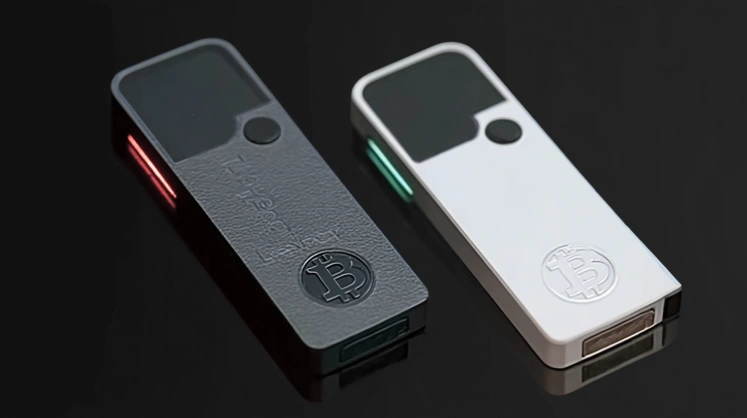
Device Security Comparison for Ledger vs Trezor examines fundamental ledger vs trezor features through crypto wallet comparison of security architectures including ledger secure element vs trezor security chip differences, firmware verification differences, and PIN & passphrase protection implementation for hardware wallet review context. The comparison addresses private keys protection methodology. Security ensures cold storage appropriate selection for hardware wallet users.
Security architecture differs fundamentally between manufacturers for hardware wallet users.
Ledger Secure Element vs Trezor Security Chip
Ledger secure element vs trezor security chip fundamental differences:
| Security Aspect | Ledger | Trezor |
|---|---|---|
| Chip type | CC EAL5+ Secure Element | General purpose MCU |
| Certification | Banking-grade CC EAL5+ | No formal certification |
| Key isolation | Dedicated secure chip | Software isolation |
| Side channel resistance | Hardware protection | Software mitigation |
| Physical attacks | Tamper resistant | More vulnerable |
Ledger secure element vs trezor security chip establishes Ledger vs Trezor core security difference. The ledger vs trezor features chip comparison ensures crypto wallet comparison via USB-C across all supported coins.
Firmware Verification Differences
Firmware verification differences software security:
- Ledger: Closed source, cryptographically signed
- Trezor: Open source, community auditable
- Ledger: Genuine check on connection
- Trezor: Firmware hash verification
- Ledger: Secure boot from secure element
- Trezor: Bootloader verification
- Both: Regular security updates
Firmware verification differences present hardware wallet review trade-offs. The crypto wallet comparison firmware supports cold storage via USB-C or Bluetooth unlike KeepKey firmware approach across all supported coins.
PIN and Passphrase Protection
PIN & passphrase protection access security:
- Ledger PIN: 4-8 digits configurable
- Trezor PIN: Up to 50 digits possible
- Both: Wrong PIN wipes device
- Ledger: 3 attempts before wipe
- Trezor: Increasing delays after failures
- Both: Optional 25th word passphrase
- Ledger: Passphrase on device entry
- Trezor: Passphrase via computer option
- Both: Hidden wallet functionality
- Both: Plausible deniability enabled
PIN & passphrase protection completes Ledger vs Trezor access security comparison. The ledger vs trezor features PIN ensures private keys via USB-C.
Recovery Options

Recovery Options for Ledger vs Trezor examine ledger vs trezor features backup methodology through crypto wallet comparison including ledger 24-word seed vs trezor 24-word seed implementation, backup methods ledger vs trezor procedures, and recovery phrase security approaches for hardware wallet review backup context. The options address private keys recovery capability. Recovery ensures cold storage continuity for hardware wallet users.
Recovery methodology affects long-term security for hardware wallet users.
Ledger 24-Word Seed vs Trezor 24-Word Seed
Ledger 24-word seed vs trezor 24-word seed generation:
| Seed Aspect | Ledger | Trezor |
|---|---|---|
| Word count | 24 words standard | 12 or 24 words |
| Standard | BIP39 compliant | BIP39 compliant |
| Generation | On device only | On device only |
| Entropy | 256-bit | 128 or 256-bit |
| Cross-compatible | Yes | Yes |
Ledger 24-word seed vs trezor 24-word seed establishes Ledger vs Trezor seed parity. The ledger vs trezor features seed ensures crypto wallet comparison via USB-C across all supported coins.
Backup Methods Ledger vs Trezor
Backup methods ledger vs trezor backup approaches:
- Both: Paper recovery sheet included
- Ledger: 3 recovery sheets provided
- Trezor: 2 recovery cards included
- Both: Metal backup compatible
- Ledger: Cryptosteel capsule option
- Trezor: Cryptosteel partnership
- Both: BIP39 standard compatibility
Recovery Phrase Security
Recovery phrase security protection methodology:
- Both: Never store digitally
- Both: Never photograph
- Both: Offline generation only
- Ledger: Recovery Check app
- Trezor: Dry-run recovery option
- Both: Shamir backup available
- Ledger: Via third-party solutions
- Trezor: Native Shamir support
- Both: Multiple location storage
- Both: Metal backup recommended
Recovery phrase security completes Ledger vs Trezor backup security analysis. The ledger vs trezor features recovery ensures private keys via USB-C.
Supported Assets

Supported Assets for Ledger vs Trezor examine ledger vs trezor features asset coverage through crypto wallet comparison including bitcoin ethereum support comparison, altcoin & ERC20 token compatibility, and NFT support ledger vs trezor for hardware wallet review portfolio context. The comparison addresses private keys multi-asset management. Assets ensure cold storage portfolio coverage for hardware wallet users.
Asset support determines portfolio compatibility for hardware wallet users.
Bitcoin Ethereum Support Comparison
Bitcoin ethereum support comparison primary assets:
| Asset Support | Ledger | Trezor |
|---|---|---|
| Bitcoin | Full native | Full native |
| Ethereum | Full native | Full native |
| Bitcoin SegWit | Supported | Supported |
| Bitcoin Taproot | Supported | Supported |
| ETH staking | Via Ledger Live | Via third party |
| Layer 2 | Multiple supported | Limited support |
Bitcoin ethereum support comparison establishes Ledger vs Trezor primary asset parity. The ledger vs trezor features Bitcoin ensures crypto wallet comparison via USB-C across all supported coins.
Altcoin and ERC20 Token Compatibility
Altcoin & ERC20 token compatibility extended assets:
- Ledger: 5500+ supported assets
- Trezor: 1000+ supported assets
- Ledger: More native integrations
- Trezor: Third-party app support
- Both: ERC20 tokens supported
- Ledger: Broader altcoin coverage
- Trezor: Major altcoins covered
Altcoin & ERC20 token compatibility expands hardware wallet review asset coverage. The crypto wallet comparison altcoin supports cold storage via USB-C or Bluetooth.
NFT Support Ledger vs Trezor
NFT support ledger vs trezor digital collectibles:
- Ledger: Native NFT support
- Trezor: Via external wallets
- Ledger: Ledger Live gallery
- Trezor: MetaMask integration
- Ledger: On-device NFT display
- Trezor: Web interface only
- Ledger: Multiple chain NFTs
- Trezor: Ethereum NFTs primary
- Ledger: Send/receive in app
- Trezor: Requires third party
NFT support ledger vs trezor addresses Ledger vs Trezor digital collectible functionality. The ledger vs trezor features NFT ensures private keys via USB-C.
Usability

Usability for Ledger vs Trezor examines ledger vs trezor features user experience through crypto wallet comparison including device interface comparison, mobile & desktop connectivity options, and ledger live vs trezor suite app assessment for hardware wallet review practical context. The comparison addresses private keys daily operation experience. Usability ensures cold storage practical selection for hardware wallet users.
Usability affects daily operation for hardware wallet users.
Device Interface Comparison
Device interface comparison physical interaction:
| Interface Element | Ledger Nano X | Trezor Model T |
|---|---|---|
| Screen type | OLED 128x64 | Color touchscreen |
| Navigation | 2 buttons | Touchscreen |
| Screen size | Small | Larger |
| Address verification | Scrolling | Full display |
| Physical size | Compact | Larger footprint |
Device interface comparison presents Ledger vs Trezor physical differences. The ledger vs trezor features interface ensures crypto wallet comparison via USB-C across all supported coins.
Mobile and Desktop Connectivity
Mobile & desktop connectivity platform options:
- Ledger Nano X: Bluetooth mobile
- Trezor Model T: USB-C only
- Ledger Nano S Plus: USB-C desktop
- Trezor One: Micro USB desktop
- Ledger: iOS and Android apps
- Trezor: Android app available
- Both: Full desktop support
Mobile & desktop connectivity differentiates hardware wallet review platform access. The crypto wallet comparison mobile supports cold storage via USB-C or Bluetooth unlike KeepKey connectivity across all supported coins.
Ledger Live vs Trezor Suite App
Ledger live vs trezor suite app software comparison:
- Both: Free companion apps
- Ledger Live: Unified platform
- Trezor Suite: Desktop and web
- Both: Portfolio tracking
- Both: Transaction management
- Ledger: Native staking
- Trezor: Exchange integration
- Both: Regular updates
- Ledger: More built-in features
- Trezor: More third-party integrations
Ledger live vs trezor suite app completes Ledger vs Trezor software comparison. The ledger vs trezor features app ensures private keys via USB-C.
For pricing comparison, see our Ledger vs Trezor Pricing & Value. For usability details, visit User Experience: Ledger vs Trezor.